0
by age 7
Many core money habits are already forming: planning, waiting and weighing choices.
Whitebread & Bingham, University of Cambridge (2013)Long before a payment card, children learn to wait, choose, earn and share. A few minutes a week is enough.

Begged for in the shop, played with for 20 minutes, forgotten by Tuesday.
A tap, a toy, ignored in two days.
Four Jar Days, bought with their own coins, loved all year.
Many core money habits are already forming: planning, waiting and weighing choices.
Whitebread & Bingham, University of Cambridge (2013)Children can start learning to save, spend and share with a parent's help.
U.S. Consumer Financial Protection Bureau (2016)When paying is a tap or a beep, young children can’t see money leave. Coins they can see make it real.
Turn “magic taps” into coins they can see.
Try saying“That beep took 4 coins from my work jar!”
Compare prices with their own jars, instead of begging in the toy aisle.
Try saying“It’s $8. You have $6 in Spend. Two more Jar Days?”
Plan ahead, earn with extra jobs, and watch a Save bonus grow.
Try saying“Want to wash the car this weekend for $4?”
Being part of a family isn’t a job. Only extra jobs earn coins.
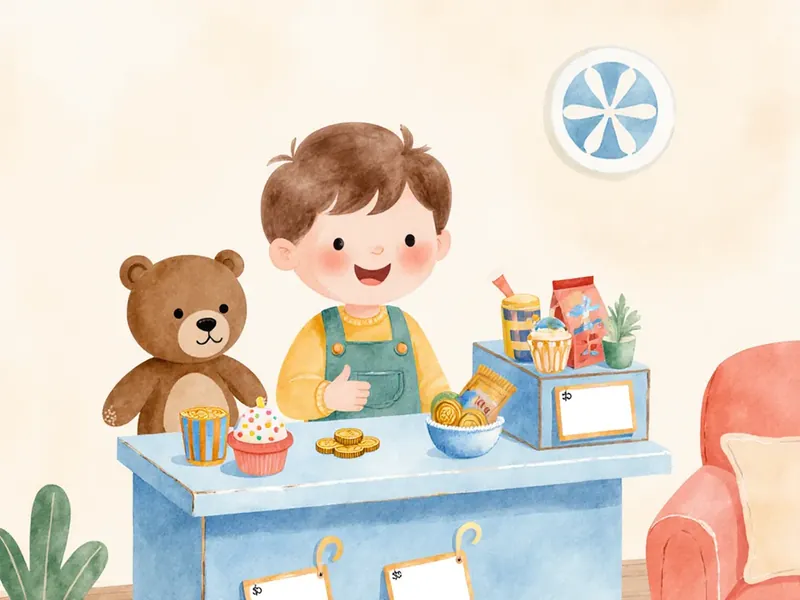
Put 1-, 2-, and 5-coin price tags on 5 snacks or toys. Give your child 5 coins and take turns being shopkeeper.
"Give a coin, get a thing!"
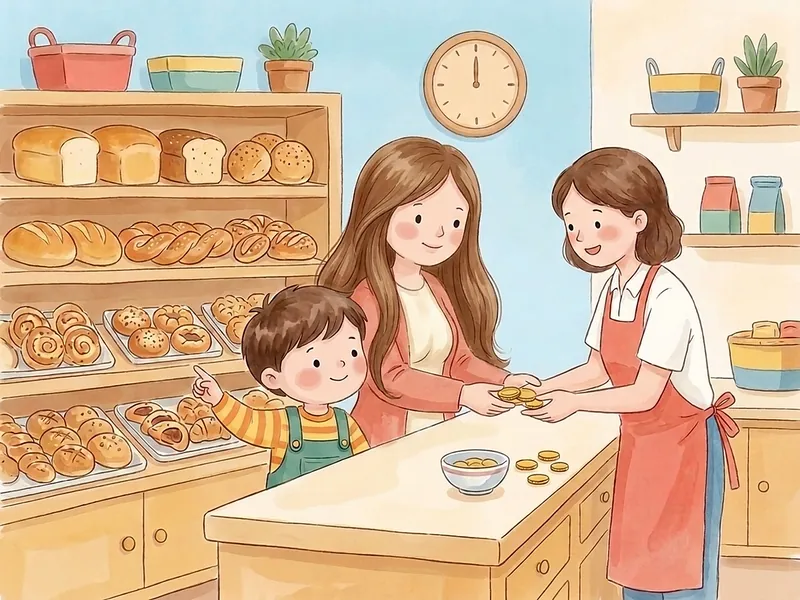
At the bakery or café, look around together. Who bakes the bread? Who serves the coffee? How do people pay? Talk about how work earns money, and how saving a little of it fills a jar.
"The magic card comes from work!"
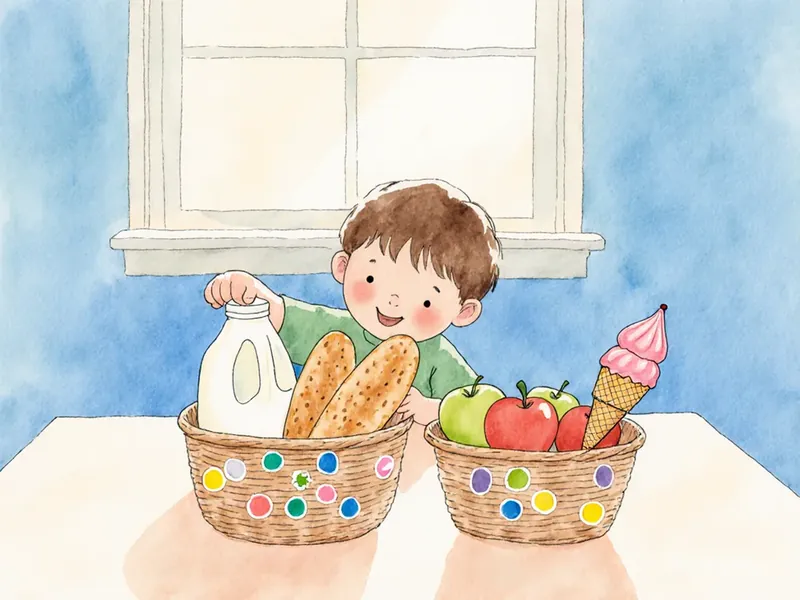
While unpacking groceries, sort items into two piles: "Needs" (milk, bread, fruit) and "Wants" (ice cream, stickers).
"Needs help us grow; wants are extra fun!"
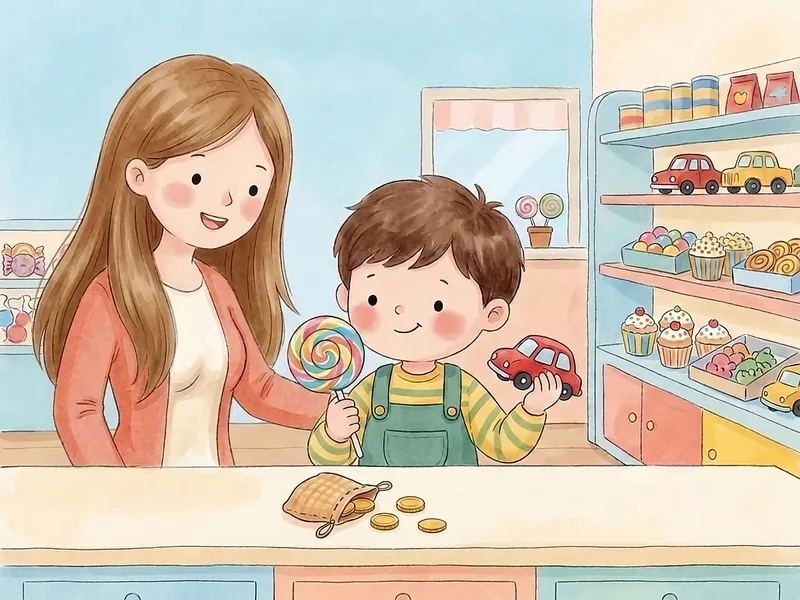
Give your child US$2 (S$3) from their Spend jar at the shop and let them compare 2 treats, picking one and putting the other back.
"Pick one, wave goodbye to the other!"
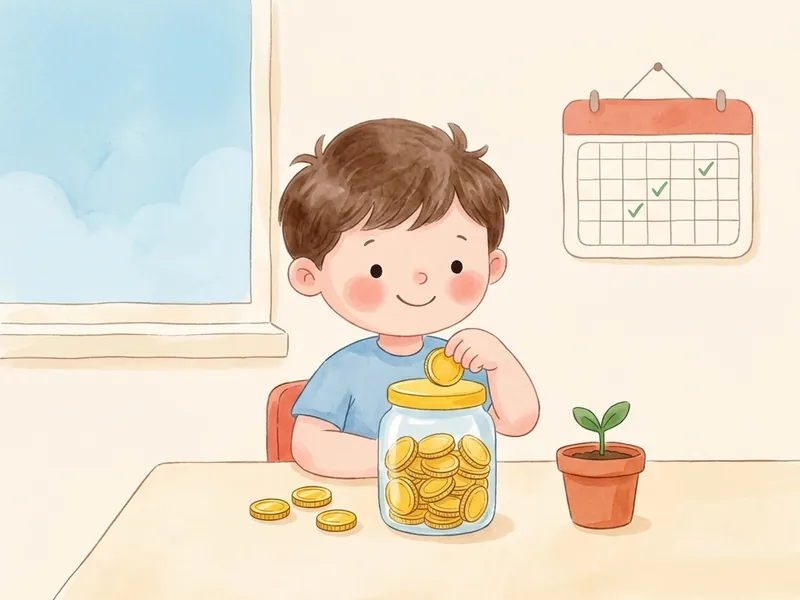
Turn on the weekly Save Bonus! Show your child how keeping 10 coins in their Save jar can earn +1 bonus coin on Jar Day.
"Watch your savings grow, coin by coin!"
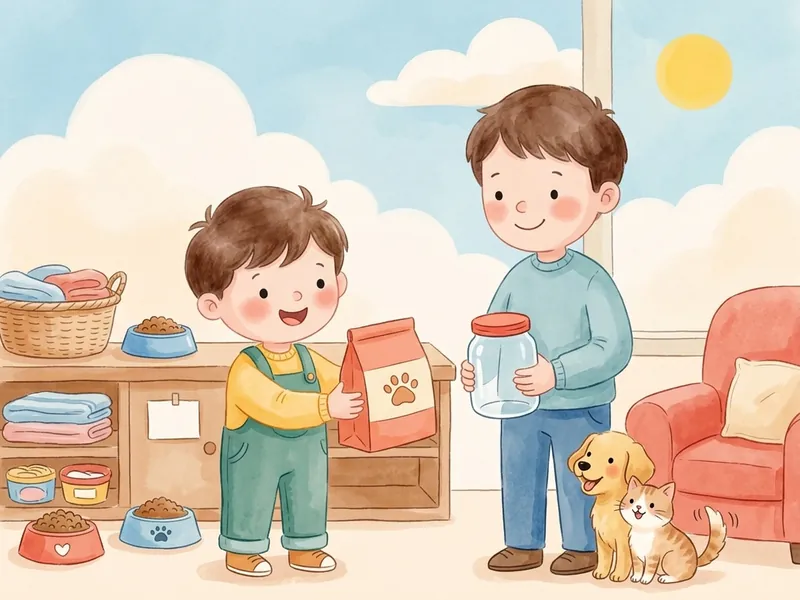
When the Give jar reaches 5 coins, sit together and choose who to help: a donation box, animal shelter, or community food pantry.
"Save some, spend some, share some!"